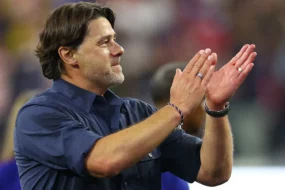

Mental coaching has become an essential component of modern football. While physical conditioning, technical ability, and tactical preparation remain critical, the psychological side of the game often determines how players and teams perform under pressure.
Mental coaching in football can generally be divided into three interconnected areas:
- Team-level mental coaching
- Individual player mental coaching
- Club-wide mental development
Each of these areas presents unique challenges and opportunities for improving performance, resilience, and long-term success.
Mental Coaching for the Football Team
Football is a collective sport, and even the most talented squads can struggle if the psychological dynamics within the group are not functioning effectively. Beyond individual abilities, teams must manage a range of mental and emotional factors that influence performance.

Building Team Cohesion
One of the strongest indicators of team success is cohesion. When players trust one another, share common goals, and feel connected to the group, performance tends to improve significantly.
Ironically, football can sometimes create obstacles to cohesion. Individual ambitions, competition for playing time, personal statistics, and media attention may shift focus away from collective objectives. When individual interests begin to outweigh team priorities, both personal and team performance can suffer.
Strong cohesion is developed through:
- Shared values and collective standards
- Open collaboration between players, coaches, and staff
- Clear team objectives
- Informal social interactions outside of training and competition
- Stable leadership structures
Coaching stability also plays an important role. When players work with a consistent coaching staff over time, they develop greater trust, familiarity, and confidence within the environment.
Maintaining Focus on Collective Goals
Modern football teams operate in an environment filled with distractions. Media attention, social media, fan expectations, sponsorship obligations, and public scrutiny constantly compete for players’ attention.
One of the key challenges for coaches and mental performance specialists is helping teams maintain focus on internal objectives while still managing necessary external relationships.
Successful teams often create what many coaches describe as a “performance bubble”—an environment where players remain connected to reality but prioritize team goals above outside influences.
Developing Positive Communication
Effective communication is fundamental to any successful football team.
Clear communication helps players:
- Understand tactical expectations
- Resolve conflicts quickly
- Build trust within the squad
- Improve decision-making during matches
- Strengthen relationships between players and staff
Positive communication also becomes particularly important during difficult periods when confidence may be fragile.
Managing Defeats and Confidence Crises
Football seasons are rarely smooth. Injuries, poor results, and unexpected setbacks can quickly create negative momentum.
Teams that lack mental resilience often struggle to recover from losing streaks. Doubt spreads rapidly, confidence declines, and performances deteriorate further.
Mental coaching helps teams develop strategies to:
- Process setbacks constructively
- Learn from defeats without becoming consumed by them
- Maintain confidence during difficult periods
- Rebuild momentum after disappointing results
The ability to respond positively to adversity often separates successful teams from unsuccessful ones.
Individual Mental Coaching in Football
While team dynamics are important, every footballer also faces unique psychological challenges.
Mental coaching begins with identifying a player’s strengths, weaknesses, and specific performance needs. Once this assessment is completed, the player and mental coach establish clear objectives and development priorities.
Common goals may include:
- Managing pressure in high-stakes matches
- Building pre-match confidence
- Maintaining self-belief during competition
- Improving concentration and focus
- Increasing motivation and competitiveness
- Developing emotional control under pressure

Personalized Mental Development
No two players think or react in exactly the same way. For this reason, effective mental coaching must be individualized.
A mental coach works with players to identify psychological tools that align with their personalities and experiences. The objective is not simply to teach techniques but to develop routines and habits that become reliable during competition.
Common methods include:
- Positive mental visualization
- Cognitive and behavioral techniques
- Mindfulness and meditation practices
- Breathing exercises
- Relaxation strategies
- Sophrology and body-awareness techniques
The most effective approach is always the one that fits the player’s individual needs and natural tendencies.
The Traditional Mental Preparation Process in Football
Mental preparation generally follows a structured process designed to improve performance over time.
1. Needs Analysis and Goal Setting
The first step involves identifying areas that require improvement.
This assessment may focus on factors such as:
- Self-confidence
- Concentration
- Motivation
- Stress management
- Emotional control
- Competitive mindset
- Performance under pressure
Once strengths and weaknesses have been identified, specific objectives are established.
2. Mental Training
The next stage focuses on strengthening existing psychological strengths while addressing areas that require development.
Training may include:
- Confidence-building exercises
- Motivation strategies
- Concentration drills
- Stress-management techniques
- Competitive mindset development
- Emotional regulation exercises
Just as physical skills require consistent practice, mental skills must also be trained regularly.
3. Competition Preparation
Mental techniques are gradually integrated into match preparation routines.
Players learn to apply their psychological tools before and during competition, ensuring they can access them when performance pressure is highest.
Examples include:
- Pre-match visualization routines
- Focus and concentration exercises
- Emotional reset techniques
- Strategies for managing critical moments during games
The goal is to arrive at competition mentally prepared and emotionally balanced.
4. Evaluation and Feedback
Progress is regularly reviewed through structured evaluation.
Players and coaches assess:
- Achievement of established goals
- Changes in confidence and performance
- Effectiveness of mental strategies
- Areas requiring additional work
Continuous feedback ensures that mental preparation remains relevant and effective throughout the season.
Club-Level Mental Coaching
Many professional football organizations now view mental performance as a strategic investment rather than an optional service.
Forward-thinking clubs increasingly integrate mental coaching into their overall development programs.
Talent Development
Elite clubs often identify promising young players based on technical, physical, and psychological potential.
By introducing mental coaching early in a player’s development, clubs provide additional tools that help athletes maximize their abilities and perform more consistently under pressure.
Mental preparation can accelerate development by improving:
- Decision-making
- Confidence
- Adaptability
- Competitive resilience
- Leadership potential
Young players who develop strong psychological skills often transition more successfully into professional environments.
Collaboration Between Coaches and Mental Performance Specialists
For mental coaching to be effective within a club environment, close collaboration with coaching staff is essential.
Coaches understand their players, tactical objectives, and team culture better than anyone. Mental performance specialists must work alongside coaches rather than independently from them.
Strong communication between all parties ensures that psychological development supports the club’s broader goals.
Implementing Mental Preparation Within a Football Club
The process typically begins with discussions between the mental coach and key decision-makers within the organization, including coaches, technical directors, and performance staff.
Together, they identify areas where mental coaching can provide the greatest impact.
Based on these discussions, a customized development plan is created.
Possible interventions include:
Leadership Development
Certain players possess the potential to become influential leaders within the squad.
Mental coaching can help these individuals:
- Inspire teammates
- Maintain standards
- Respond positively to setbacks
- Set examples through behavior and attitude
- Strengthen team culture
Individual Player Support
Players may receive one-on-one coaching focused on specific psychological needs such as:
- Confidence building
- Stress management
- Emotional regulation
- Concentration improvement
- Performance visualization
These interventions are tailored to each player’s circumstances and objectives.
Coach Development
Mental coaching can also support coaches by helping them:
- Improve communication skills
- Strengthen leadership effectiveness
- Build team cohesion
- Increase player motivation
- Develop confidence within the group
Since coaches strongly influence the psychological environment of a team, their development often has a significant impact on overall performance.
Group Workshops and Team Sessions
Collective sessions allow entire squads to work on important mental skills together.
Topics may include:
- Building confidence
- Managing pressure
- Relaxation techniques
- Developing resilience
- Understanding momentum shifts
- Handling success and failure
Group work also strengthens communication and trust between players.
Tactical Visualization
Mental imagery can be used to reinforce tactical concepts introduced by coaches.
Players learn to mentally rehearse:
- Team formations
- Pressing structures
- Set-piece routines
- Offensive patterns
- Defensive transitions
Visualization allows athletes to process tactical information more effectively and improves execution during matches.
Conclusion
Mental coaching has become a vital component of modern football performance. Whether working with individual players, entire teams, or club-wide development programs, psychological preparation helps athletes perform consistently under pressure while maximizing their potential.
The most successful football organizations recognize that mental strength is not an innate talent reserved for a select few—it is a skill that can be trained, developed, and refined.
As the game continues to evolve, clubs that invest in psychological development alongside technical, tactical, and physical preparation will gain an increasingly important competitive advantage.