
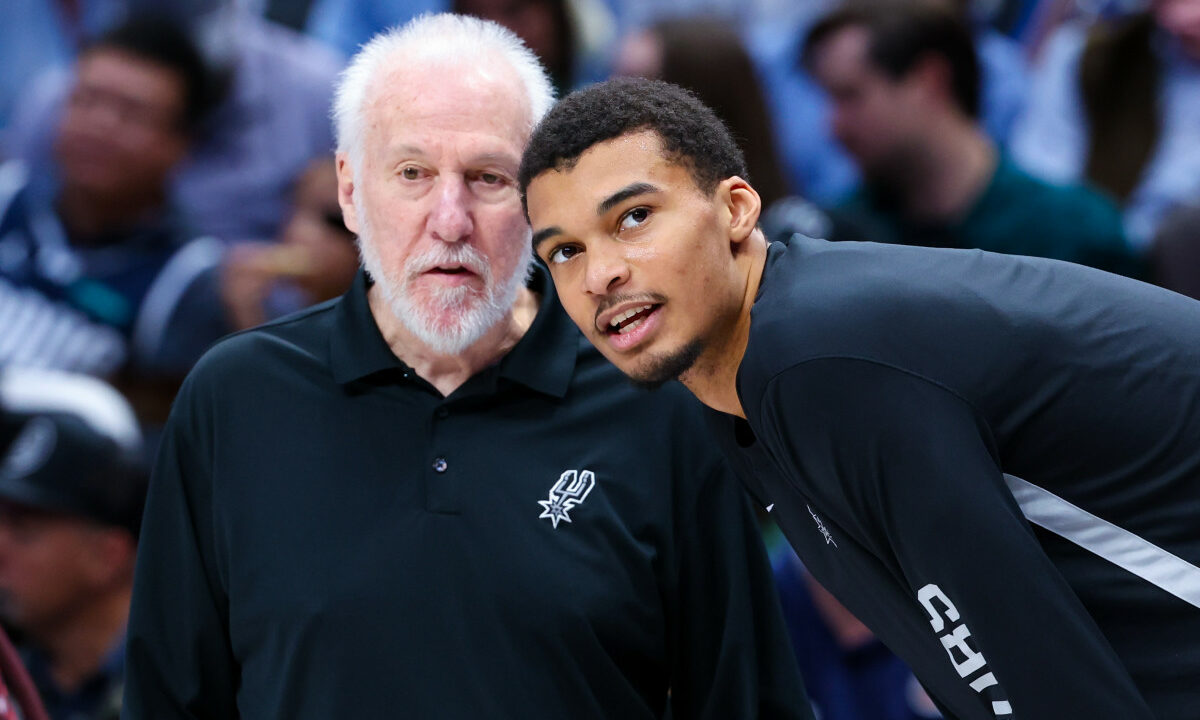
How Gregg Popovich Manages Powerful NBA Personalities
San Antonio Spurs head coach Gregg Popovich is widely regarded as one of the greatest coaches in NBA history, not only for his strategic brilliance and championship success, but also for his distinctive approach to managing powerful personalities in the NBA.
In a league defined by superstar talent, high salaries, and strong individual identities, Popovich has consistently built winning teams by prioritizing trust, accountability, and culture over ego. His leadership style has become a reference point for coaches and managers far beyond basketball.
Here are four principles that define Popovich’s approach to managing elite athletes and powerful personalities.
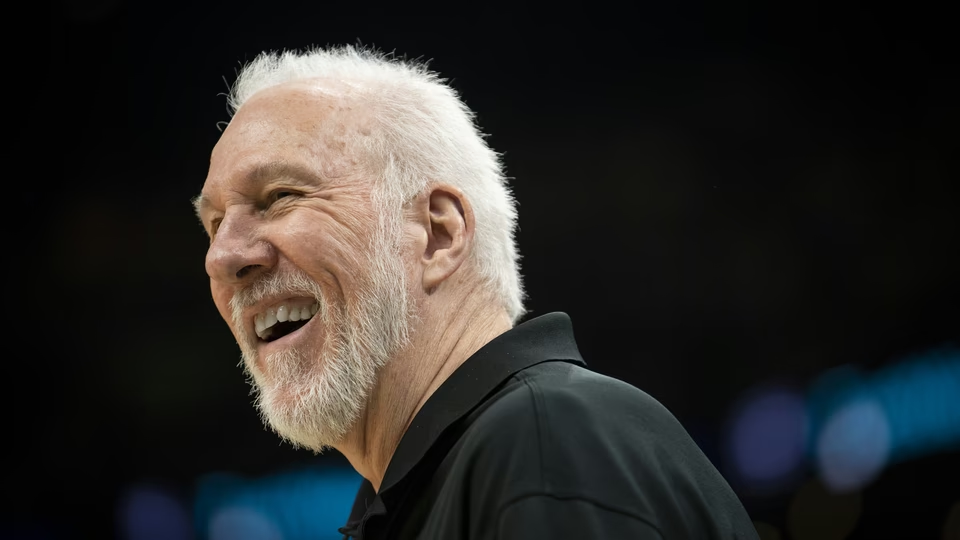
1. Accountability Through Honest Communication
For Popovich, everything starts with truth.
He believes that trust is built through direct, honest communication and consistent follow-through. He often describes his approach as “brutal, between-the-eyes honesty,” meaning that players are never misled or shielded from reality.
Popovich has explained:
“I think you have to have accountability. For us, the thing that works best is total, brutal, between-the-eyes honesty. I never try to trick a player or manipulate them, tell them something that I’m going to have to change next week.”
This philosophy creates an environment where players always know where they stand. There are no hidden agendas, no shifting expectations, and no political messaging—just clarity.
The result is a team culture where accountability is not imposed externally but embraced internally, because players trust the consistency of the message.
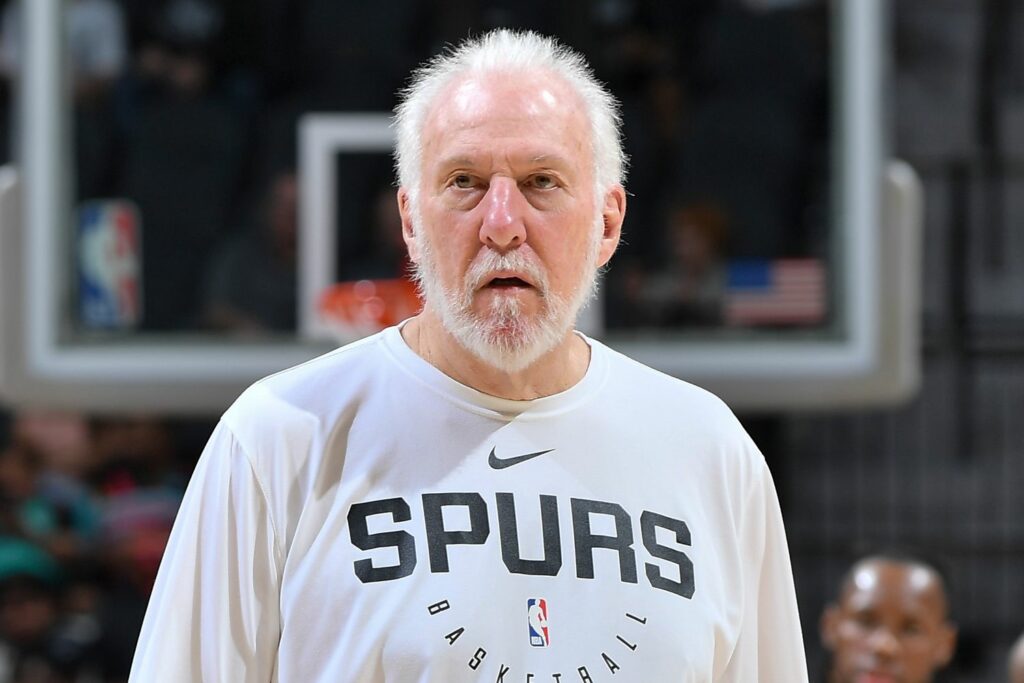
2. Same Standards for Everyone
Another cornerstone of Popovich’s leadership is uniform standards.
Whether a player is a superstar or a bench contributor, the expectations remain the same. Mistakes are corrected the same way, and discipline is applied consistently across the roster.
Former Spurs player Richard Jefferson once described this approach:
“Pop didn’t care if you averaged 20 points a game. If you went under a screen that you weren’t supposed to, he was calling a timeout, cussing you out, and probably sitting you down.”
This consistency removes hierarchy from accountability. No one is above the system, and no one is exempt from responsibility.
By enforcing the same standards across the board, Popovich ensures that respect is earned through behavior and execution, not reputation or status.
3. Build a Character-Based Team
Popovich has often emphasized that talent alone is not enough.
His coaching philosophy prioritizes character, humility, and coachability. He has openly stated that the Spurs look for players who have “gotten over themselves,” meaning individuals who are willing to sacrifice personal ego for team success.
“We draft guys who have gotten over themselves,” Popovich has said.
This approach becomes especially powerful when star players buy into the system. Tim Duncan, for example, became the foundation of this philosophy—an elite player who embraced accountability and team-first values without resistance.
When the best player on the team accepts this culture, it spreads naturally throughout the locker room. Ego shrinks, communication improves, and collective performance rises.
Popovich’s system is not built around controlling personalities, but around selecting and developing the right ones from the start.

4. Value Relationships Over Everything
Beyond tactics and discipline, Popovich’s leadership is rooted in human connection.
He consistently emphasizes that players are people first, athletes second. This belief shapes how he interacts with them both on and off the court.
He takes a genuine interest in their lives, families, and emotional well-being, building trust that extends far beyond basketball.
Former player DeMar DeRozan shared a powerful example:
“Pop sat in the room and cried with me for two hours. He told me, ‘I’m not leaving until you leave.’”
Moments like this reflect a deeper truth about Popovich’s leadership: loyalty and empathy are not separate from performance—they are part of it.
By investing in relationships, he creates a culture where players feel seen, supported, and understood, which ultimately strengthens team cohesion and resilience.
Conclusion
Gregg Popovich’s success is not defined only by championships or tactical innovation, but by his mastery of leadership and human psychology.
His four principles—honest communication, equal standards, character-first recruitment, and deep personal relationships—form a system that consistently produces not just good teams, but great cultures.
In a league driven by talent and pressure, Popovich demonstrates that the most powerful coaching tool is not strategy alone, but trust.
And in the long run, that trust becomes the foundation of sustained excellence.